
Located about 70 kilometers northwest of Ho Chi Minh City, the Củ Chi Tunnels stand as one of Vietnam’s most significant historical sites, a sprawling underground network that sheltered soldiers and civilians during the Vietnam War. Here is what to expect and how to experience it with authenticity and respect.
What to expect
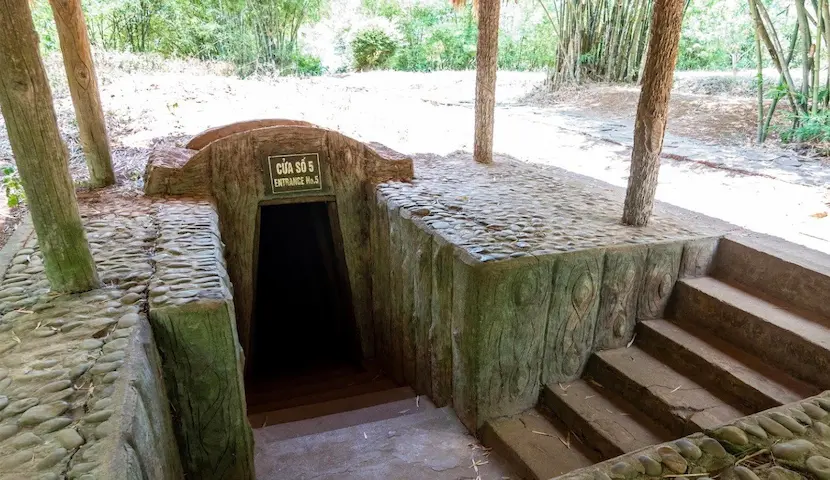
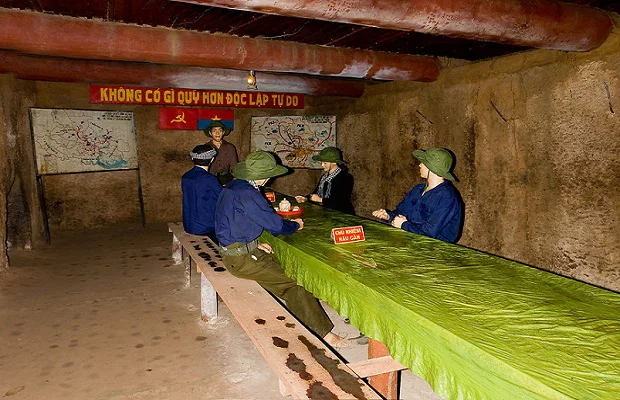
The tunnel system stretches over 250 kilometers, comprising three levels of underground passages, living quarters, kitchens, weapons workshops, and field hospitals. Today, visitors access a preserved section near the village of Phú Hiệp, where the tunnels have been widened to accommodate tourists while retaining their historical character.
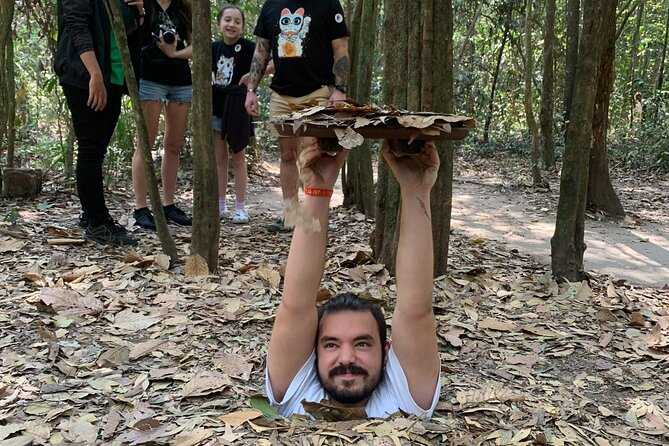
Your visit typically begins at the visitor center, where a documentary film from the war era provides essential context. From there, guides lead groups through the site, demonstrating the ingenuity of the tunnel system, ventilation holes disguised as termite mounds, trapdoors hidden beneath forest floors, and the intricate booby traps that protected the network.
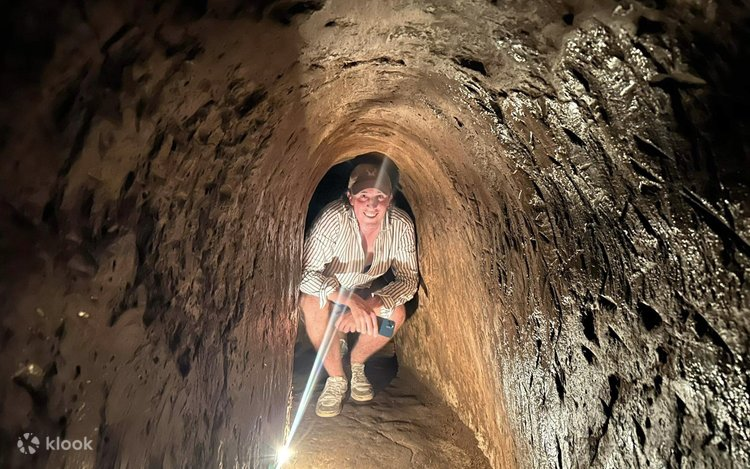
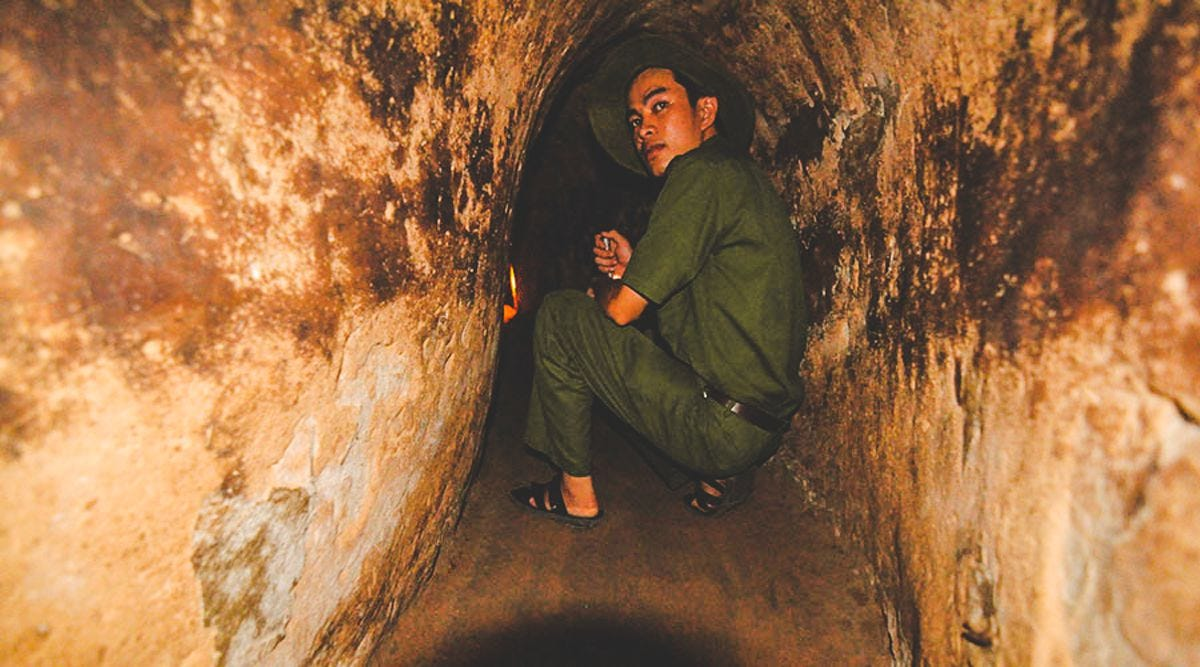
The highlight is entering the tunnels themselves. A section has been enlarged for visitors, but it remains a tight, confined space. Crawling through even this adapted section offers a visceral understanding of the conditions endured by those who lived underground for years. For those who prefer not to enter, the site offers above-ground exhibits and shaded pathways.
Ben Dinh vs. Ben Duoc: Choosing your site
Two main tunnel sites are open to visitors, and your choice significantly affects the experience.
Ben Dinh is the more commonly visited site, located closer to Ho Chi Minh City and included in most organized tours. It offers well-maintained facilities, frequent tours, and tunnels adapted for tourist access. The trade-off is crowds, especially during peak hours, the site can feel busy and commercialized.
Ben Duoc, located about 20 kilometers further, preserves a quieter, more authentic atmosphere. Fewer tour groups visit here, the grounds feel more like the original forest landscape, and the tunnels remain closer to their original dimensions. Ben Duoc also features a temple honoring those who died in the region, adding a layer of solemnity often absent at the more crowded site.
Recommendation: For a genuine experience, choose Ben Duoc. The extra travel time yields a more contemplative visit and a deeper connection to the site’s historical weight.
Authentic experiences beyond the tunnels
Walk the forest path first. Many visitors rush to the tunnel entrance, but walking the grounds beforehand reveals the landscape’s strategic significance. Notice how the forest provides cover, how the terrain rises and falls, and how easily a tunnel entrance could remain hidden.
Listen to the guides. The guides at Củ Chi are often descendants of those who fought in the region. Their personal connections transform a historical tour into something more meaningful. Ask questions. Listen to their stories. The best guides do not recite dates but share family memories.
Visit the rice paper workshop. Near the tunnel entrance, a small workshop demonstrates how soldiers made rice paper underground. The process is simple, but the context matters, this was not a demonstration for tourists but a survival necessity.
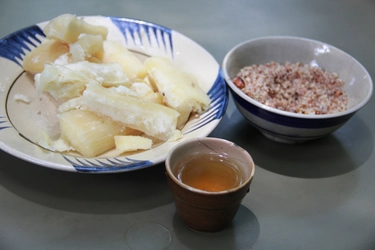
Try cassava. Boiled cassava with sesame salt was a staple for tunnel dwellers. Tasting it connects you to the most basic reality of underground life. It is offered at the site; accept it as a gesture of sharing rather than a snack.
Practical tips
Timing: Arrive at opening time (8:00 AM for Ben Dinh, 7:30 AM for Ben Duoc) to beat both the heat and the crowds. Afternoons bring tour groups and temperatures exceeding 35°C (95°F).
What to wear: Lightweight, breathable clothing that you do not mind getting dusty. The tunnels are cramped; wear pants rather than shorts. Closed-toe shoes are essential, the ground is uneven, and the tunnel surfaces are rough.
What to bring: Insect repellent (the forest is home to mosquitoes), water (though available at the site), a small towel or wipes for after the tunnel crawl, and cash for entrance fees and souvenirs.
Tunnel considerations: The enlarged tourist tunnels remain small. If you are claustrophobic, consider entering only the first section or skipping the crawl entirely, the above-ground exhibits offer substantial historical value. Children under 1.2 meters (4 feet) may find the experience overwhelming.
Tour options
Organized group tours: The most common option, priced between 300,000–500,000 VND ($12–$20), includes transport, guide, and entrance fees. Convenient but often rushed, with limited time at the site.
Private tours: Allow flexibility to choose Ben Duoc, control the pace, and engage more deeply with the history. Prices range from 1,500,000–2,500,000 VND ($60–$100) depending on group size and inclusions.
Self-guided: For independent travelers, renting a motorbike offers the most control. The route from Ho Chi Minh City takes about 90 minutes via AH1 and requires navigation skills. Entrance fees are paid directly at the site.
Respecting the site
Củ Chi is not a theme park. It is a place where thousands endured unimaginable hardship, and many died. A few principles guide an authentic visit:
Speak quietly. Voices carry in the forest, and the site deserves the reverence of any war memorial.
Photograph thoughtfully. The tunnels themselves are appropriate subjects; posing for lighthearted photos at memorials or displays is not.
Understand what you are seeing. The booby traps on display were designed to kill or maim. Observe them with the gravity they deserve.
Remember the human cost. Before leaving, pause at the memorial for those who died. The tunnel network was a military installation, but it was also home to families, children, and civilians who had no choice but to live beneath the forest.
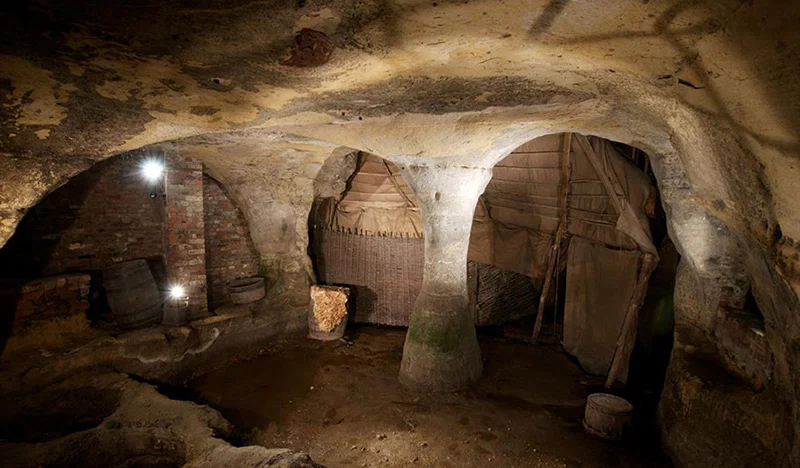
Củ Chi offers something rare: a historical site that does not require interpretation to move its visitors. To crawl through those narrow passages, to walk the forest above, to taste the cassava that sustained life underground, these experiences create understanding in ways no textbook can. Visit with intention, engage with respect, and leave with a deeper comprehension of what survival truly meant.
