
Rising over 600 meters above the coast of Đà Nẵng, Sơn Trà Mountain, known to many as Monkey Mountain, is a peninsula of extraordinary contrasts. Here, ancient primary forest meets the South China Sea, endangered primates inhabit the same slopes as military relics, and panoramic viewpoints reveal one of Vietnam’s most dramatic coastlines. Just fifteen minutes from the city center, this protected nature reserve feels worlds apart.
The endangered langurs: Sơn Trà’s sacred residents
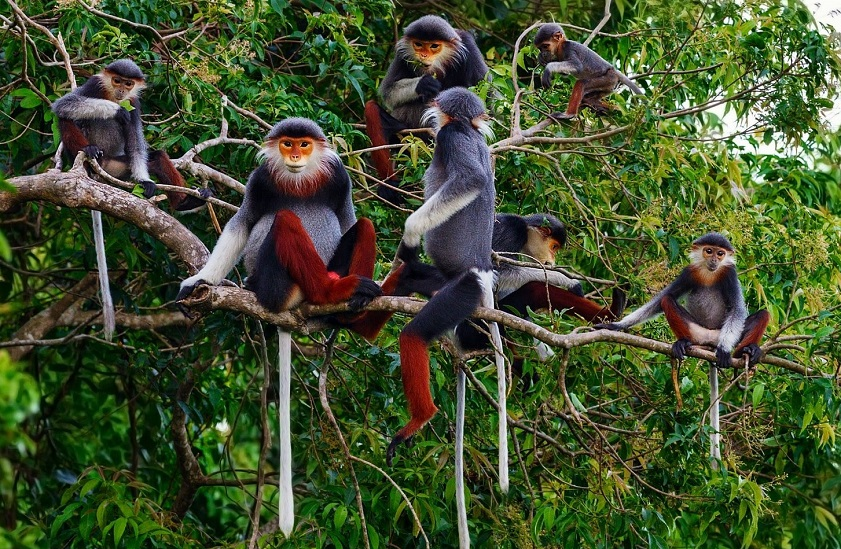
Sơn Trà is home to the most significant population of red-shanked douc langurs in the world. Known locally as voọc chà vá chân nâu, these primates are among the most beautiful on earth, their silver-gray fur accented by maroon legs, golden faces framed in white, and tails that trail behind them like silken banners.
Once hunted to near extinction, the langurs have found refuge in Sơn Trà’s protected forests. Approximately 1,300 individuals remain here, making the peninsula their last stronghold. Sightings require patience and luck, but the rewards are extraordinary. Early mornings (5:30–7:30 AM) offer the best chance, as langurs descend from the canopy to feed along the roadside near the summit. The area around Bãi Bắc (North Beach) and the forested slopes near the radar station are reliable spots.
What to know: Observe from a distance. The langurs are wild animals, and approaching them disrupts feeding and stresses the troops. Binoculars and telephoto lenses are essential. Never feed them, human food damages their health and alters natural behavior.
The pristine forest: A biodiversity sanctuary
Beyond the langurs, Sơn Trà protects 4,400 hectares of primary tropical forest. The canopy towers above roads carved into the mountainside, creating a green tunnel that filters sunlight into shifting patterns. Over 1,000 plant species thrive here, including ancient ficus trees whose roots embrace cliff faces and towering dipterocarps that have stood for centuries.
The forest changes with elevation. Lower slopes feature dense evergreen jungle, vines draping across the road. Mid-elevation reveals mixed woodlands where birdsong echoes through the trees, over 100 bird species inhabit the peninsula, including the rare crested argus pheasant. Near the summit, the forest opens to grasslands and dwarf bamboo, where panoramic viewpoints emerge from the canopy.
Best forest experiences: The road to the summit offers accessible forest exploration. For deeper immersion, trails lead to Bãi Bụt (Buddha Beach) and Bãi Đá Đen (Black Rock Beach), where forest meets shore. These hikes require a guide and proper preparation.
Panoramic coastal views: The summit and beyond
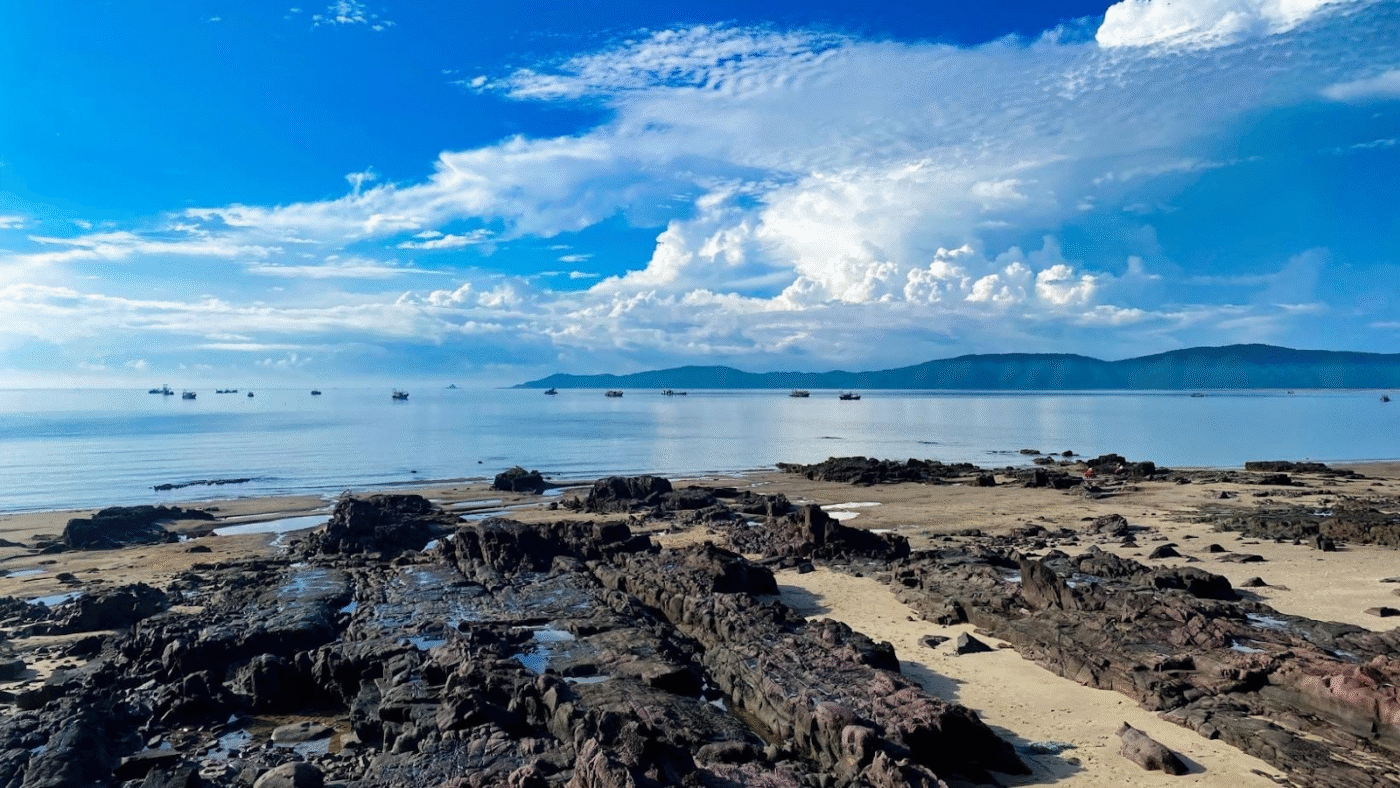
The winding road to Sơn Trà’s summit delivers views at every turn, but three viewpoints stand above the rest.
Bàn Cờ Peak (Chessboard Peak) sits at 620 meters, the peninsula’s highest accessible point. From this former military outpost, the coastline stretches in both directions, Đà Nẵng’s skyline to the southwest, the Hai Vân Pass to the northwest, and the vast South China Sea extending to the horizon. The name comes from a stone chessboard carved into the summit, where soldiers once passed their isolated hours.
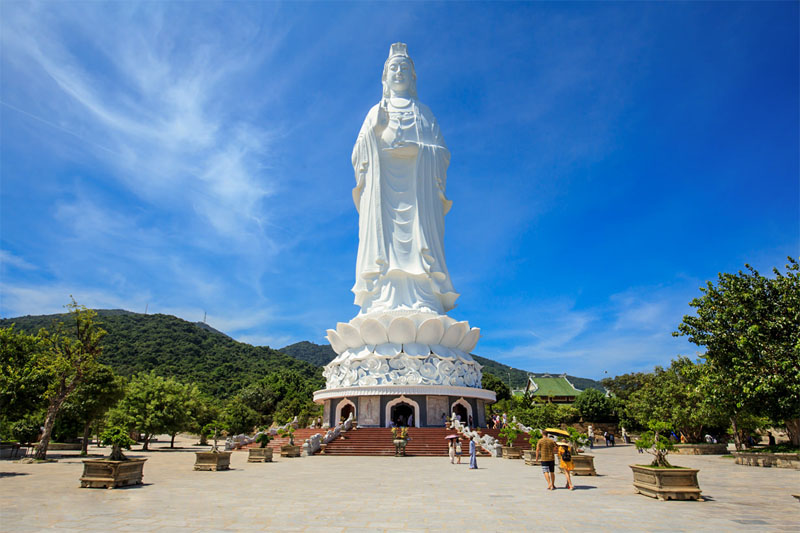
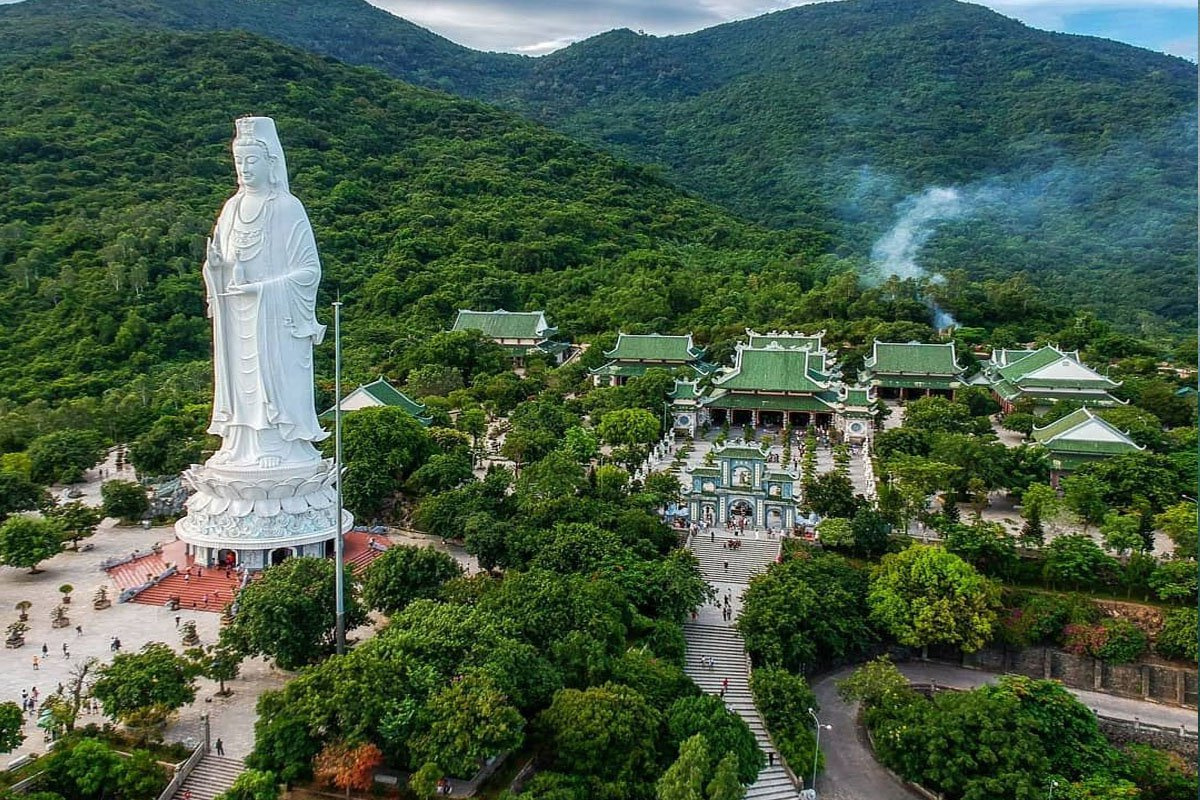
Linh Ứng Pagoda occupies a promontory on the peninsula’s western slope. While the 67-meter Lady Buddha statue draws most visitors, the temple grounds offer some of Sơn Trà’s finest views, the city spread below, the curvature of the bay, and the forested slopes rising behind. Sunset here transforms the coastline into gold and amber, the statue silhouetted against the fading light.
The Radar Station Road continues beyond the summit toward the peninsula’s eastern face. Here, the forest gives way to sheer cliffs dropping into turquoise water. The views are wilder, less curated, fishing boats dotting the sea below, the distant outline of the Chàm Islands on clear days, and a sense of standing at the edge of both land and sky.
Military history: The peninsula’s strategic past
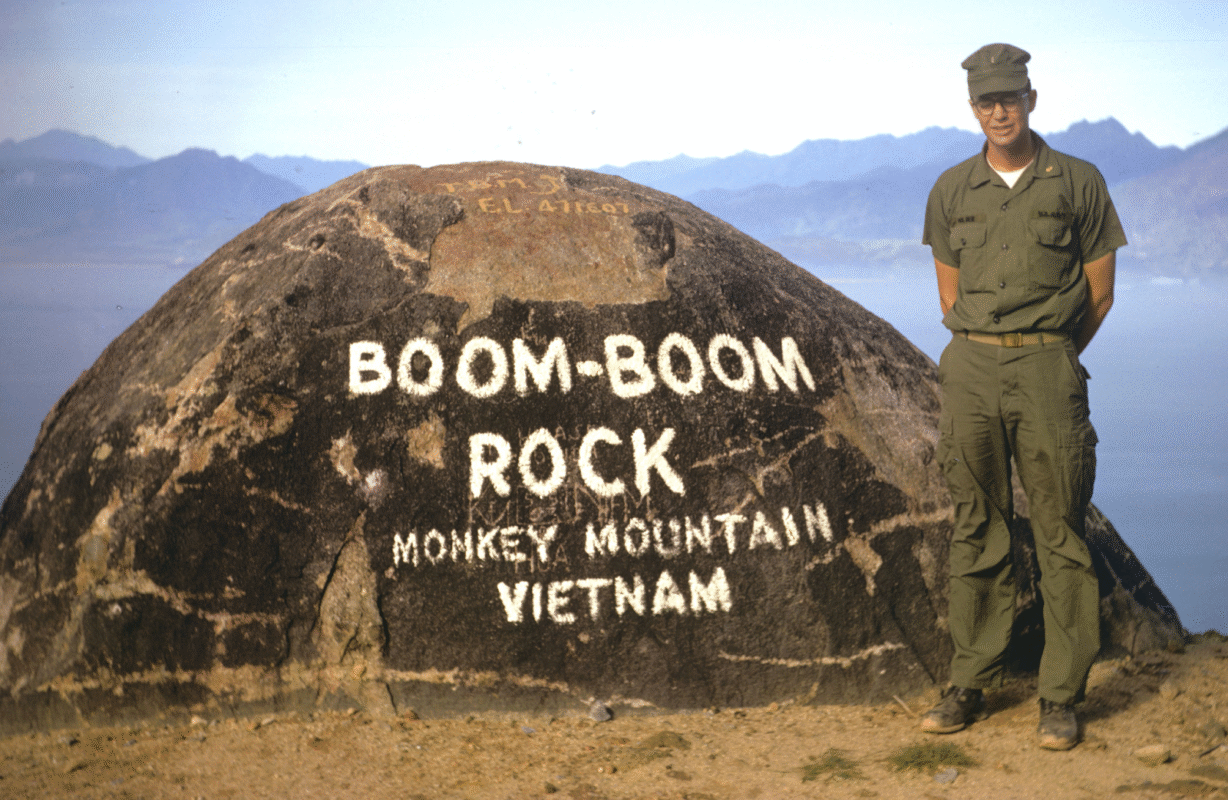
Sơn Trà’s name – Monkey Mountain derives from its use during the Vietnam War. American forces established a radar station at the summit, nicknamed Monkey Mountain Facility, which served as the most important communications hub in the region. The road to the summit, the concrete bunkers, and the radar dome foundations all date from this period.
At the summit, remnants of the military past remain visible. The bunkers have been reclaimed by forest, vines creeping through gun ports, but their structures endure. For those interested in layered history, these ruins offer a counterpoint to the natural beauty, a reminder that Sơn Trà’s strategic significance long predates its status as a protected reserve.
Practical guide
Best time to visit: Early morning (5:00–8:00 AM) offers cooler temperatures, wildlife activity, and sunrise light over the coast. Late afternoon (3:00–5:00 PM) provides golden hour views and sunset possibilities. Avoid midday – heat intensifies, wildlife retreats, and photography conditions become harsh.
Getting there: The main entrance lies at the base of the peninsula, accessible from the coastal road north of Đà Nẵng. Motorbikes are the preferred mode of transport, the winding roads demand caution but reward with flexibility to stop at viewpoints. Taxis and ride-share services can provide round-trip transport with waiting time arranged in advance.
Road conditions: The main road to the summit is paved and well-maintained. Side roads to beaches and viewpoints may be unpaved or steep. Drive slowly; wildlife frequently crosses roads, and langurs are often spotted along the route.
What to bring: Binoculars for langur spotting, camera with telephoto lens, insect repellent, water, and light layers, temperatures at the summit can be significantly cooler than the city below.
Respect the reserve: Sơn Trà is a protected nature reserve. Stay on designated roads and paths. Do not disturb wildlife. Pack out everything you bring in. The langurs’ survival depends on visitor responsibility.
Sơn Trà offers a rare convergence: pristine forest within minutes of a major city, endangered wildlife visible from public roads, and panoramic views that rival any coastal destination in Vietnam. To visit is to witness conservation in action, a landscape protected not as museum but as living habitat, where langurs still move through ancient trees and the forest reclaims its territory one vine at a time. Come for the views. Stay for the langurs. Leave with the understanding that some places are worth preserving not for what they were, but for what they still are.
