
Just beyond the bustling streets of Hanoi lies a world of ancient villages where time moves slowly, traditions endure, and the rhythm of rural life offers a gentle respite from the city. Here are ten destinations worth exploring.
1. Duong Lam Village
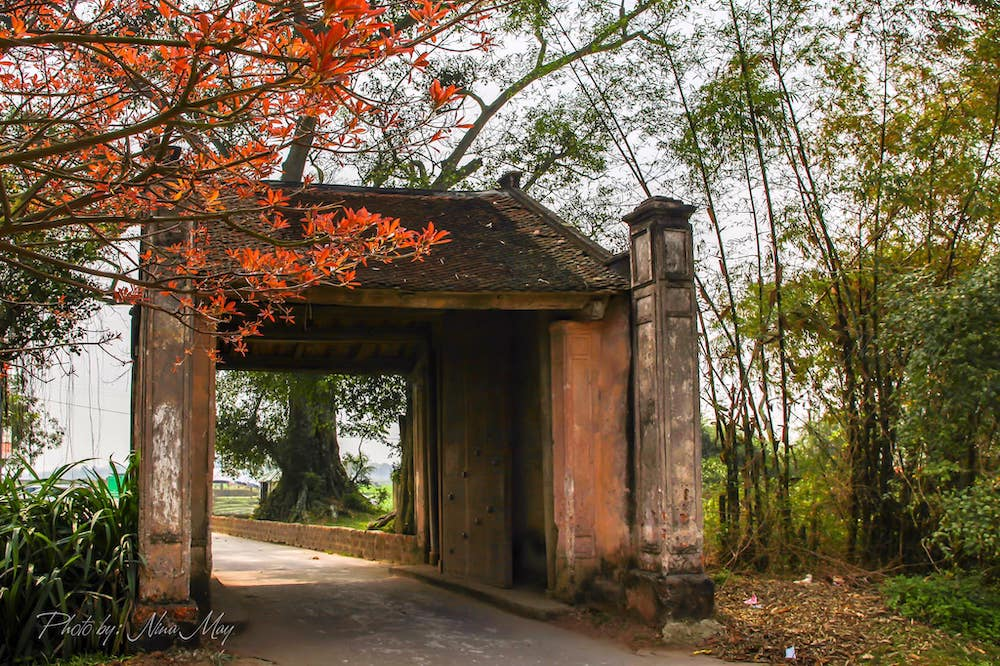
A living museum of Vietnamese heritage, Duong Lam is the first village in Vietnam to be recognized as a national historical relic. Its ancient laterite brick houses, some over 400 years old, still shelter families who trace their lineage through generations. Wandering the village paths, visitors encounter ancient banyan trees, communal wells, and the temples of national heroes Phùng Hưng and Ngô Quyền—all preserved in remarkable authenticity.
2. Bat Trang Pottery Village
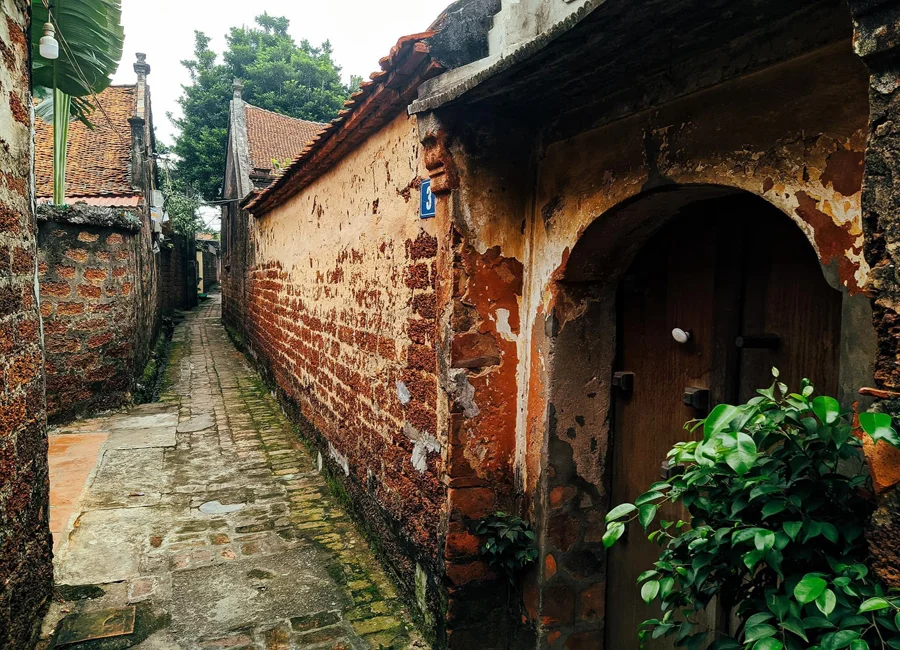
Just 15 kilometers from Hanoi, Bat Trang has shaped clay for over 700 years. The village hums with creative energy as artisans spin wheels and fire kilns, producing everything from delicate tea sets to grand ceramic murals. Visitors can try their hand at the potter’s wheel, browse countless showrooms, and witness a craft that has defined this riverside community since the Ly Dynasty.
3. Van Phuc Silk Village
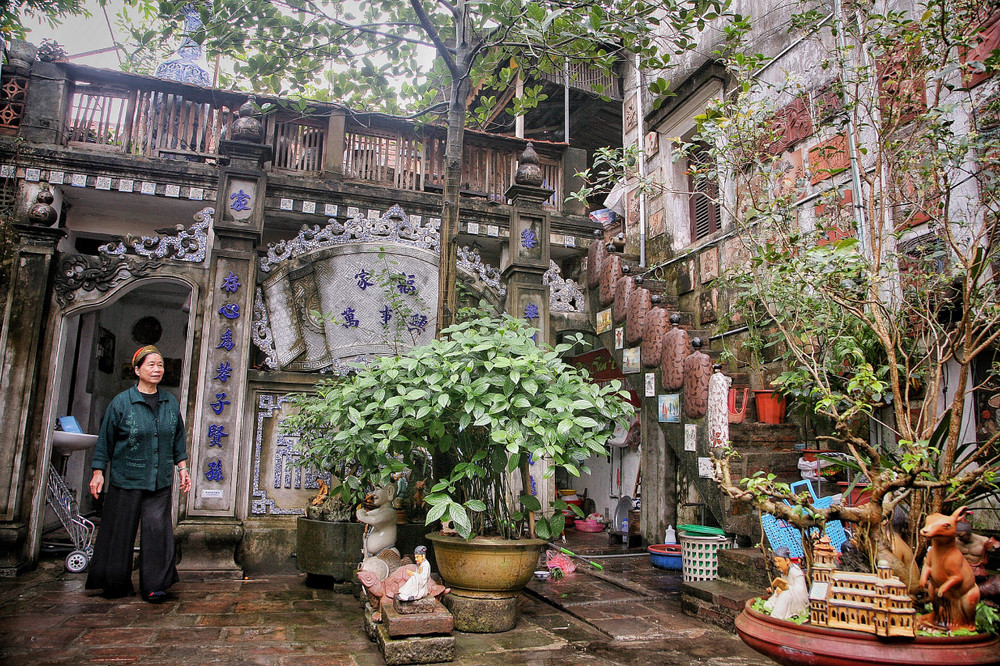
Known as the silk cradle of Vietnam, Van Phuc has woven luxurious fabric for over a thousand years. Located on the banks of the Nhue River, the village preserves traditional weaving techniques passed down through countless generations. Today, visitors can watch artisans at their looms, purchase exquisite silk products directly from family workshops, and appreciate why this village’s craftsmanship once adorned Vietnamese royalty.
4. Dong Ky Firecracker Village
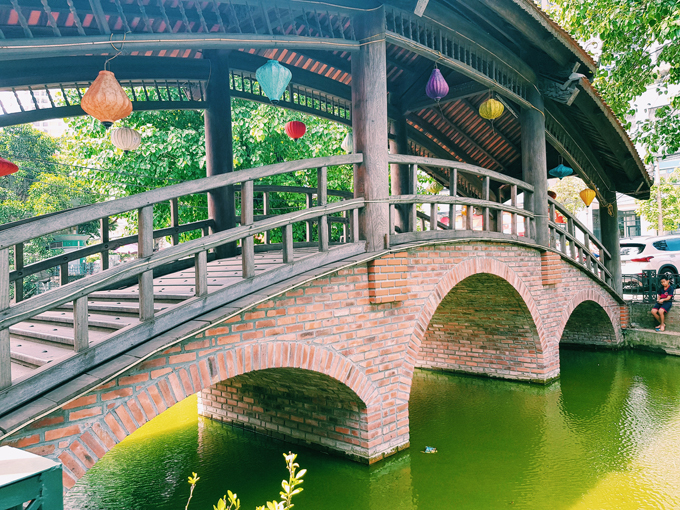
Though firecrackers are no longer made here, Dong Ky retains its reputation for exceptional woodworking. The village specializes in intricate carved furniture and ceremonial objects, with workshops displaying remarkable craftsmanship. Spring festivals still honor the village’s heritage, drawing visitors who appreciate both the artistry and the enduring spirit of this traditional craft community.
5. Phu Vinh Bamboo and Rattan Village
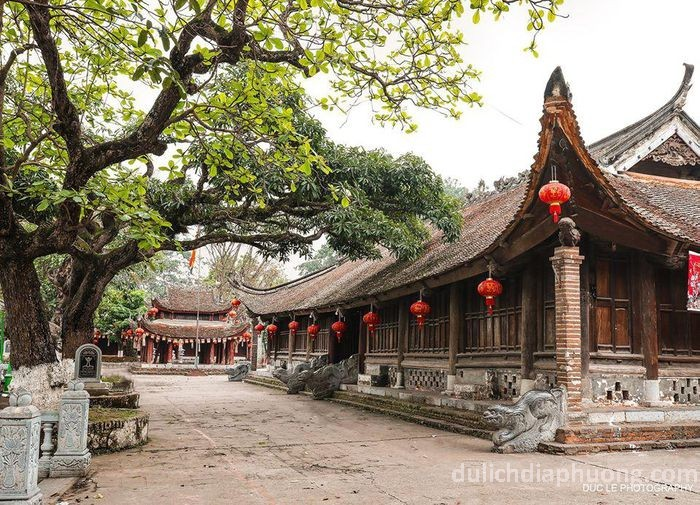
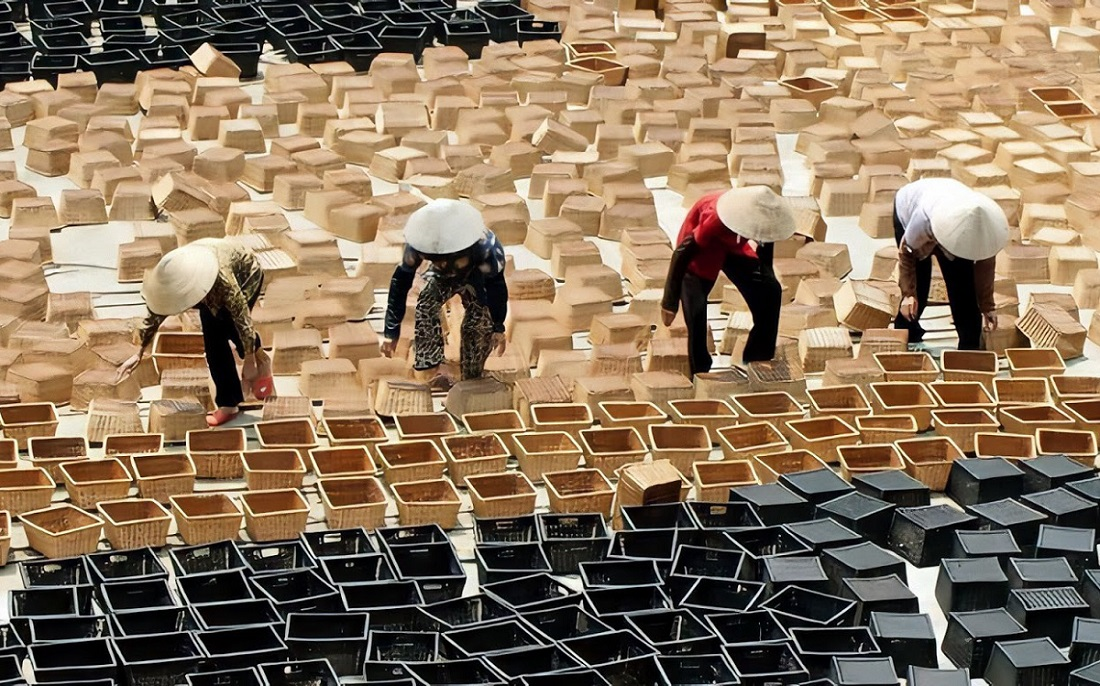
A haven of traditional basketry, Phu Vinh has woven bamboo and rattan for generations. The village produces an astonishing array of functional and decorative items, from simple baskets to intricate lamp shades. Visitors can learn about the sustainable harvesting of local materials and the meticulous techniques that transform humble reeds into works of craft.
6. Dinh Bang Village
Home to the ancient Do Temple, Dinh Bang preserves the architectural and spiritual heritage of the Ly Dynasty. The village’s communal house stands as one of Vietnam’s finest examples of traditional architecture, while the surrounding lanes offer a glimpse of rural life unchanged for centuries. History enthusiasts will appreciate its profound connection to the nation’s founding dynasties.
8. Cu Da Ancient Village
Often overlooked by travelers, Cu Da offers one of the most authentic experiences near Hanoi. The village uniquely blends traditional Vietnamese architecture with French colonial influences—evident in its century-old brick houses alongside wooden structures. A covered bridge and ancient wells add to the charm of this quiet, uncommercialized destination.
9. Hoi Xa Village
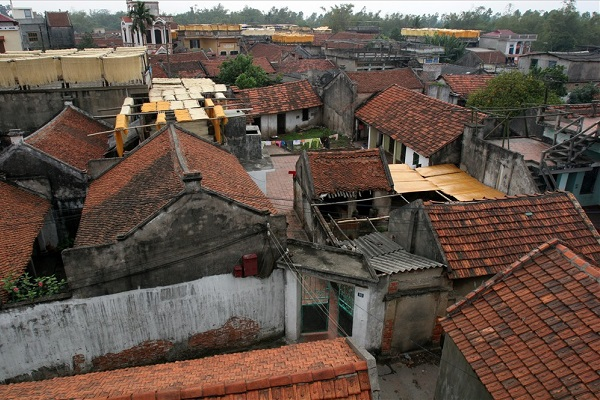
For those seeking true seclusion, Hoi Xa remains a hidden gem. This small village specializes in traditional incense making, with bundles of vibrant sticks drying in the sun creating a striking visual against the rural backdrop. Unlike more famous craft villages, Hoi Xa offers an intimate glimpse into a family-centered trade virtually unchanged for generations.
10. Dai Bai Bronze Casting Village
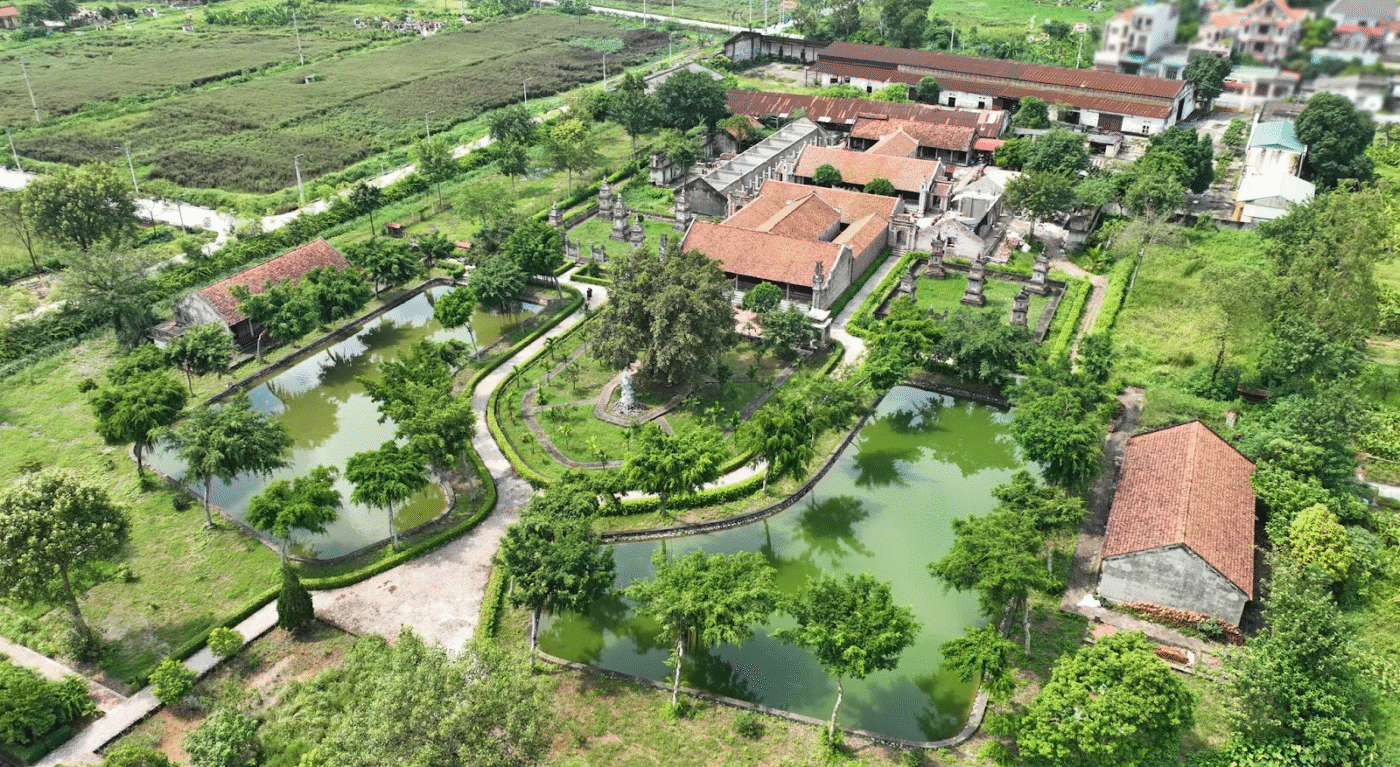
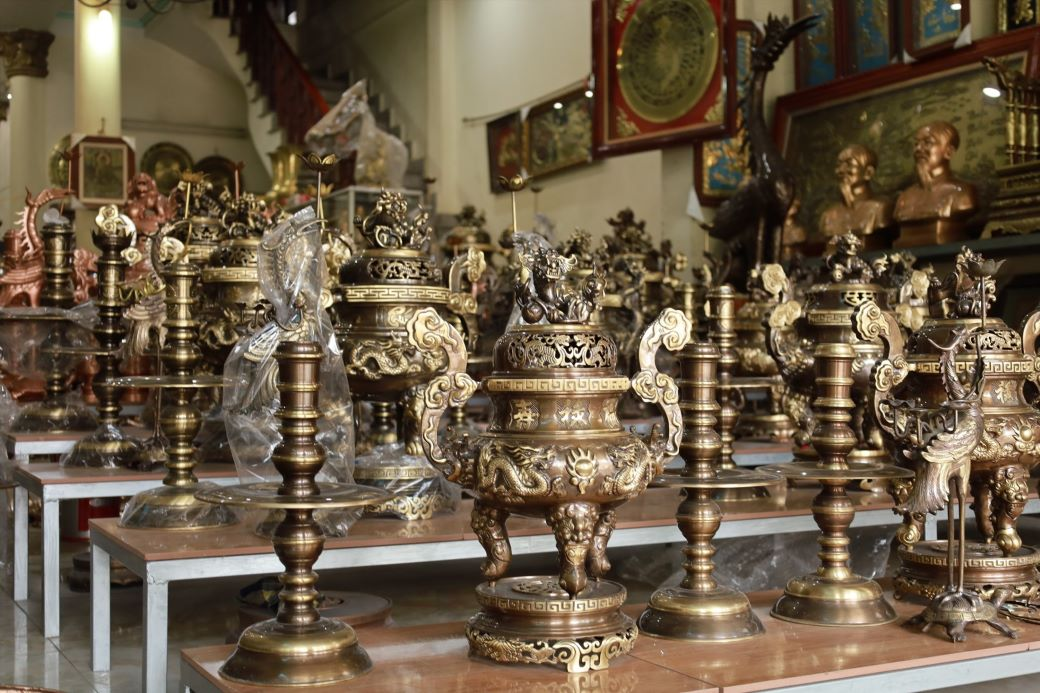
For over a thousand years, Dai Bai has produced bronze bells, statues, and ceremonial items using techniques passed through family lineages. The village’s workshops still ring with the sound of hammers shaping molten metal into objects of spiritual significance. Visitors can observe this ancient craft and appreciate the skill required to produce items that have adorned pagodas across Vietnam.
Each of these villages lies within an hour’s drive from Hanoi, offering not just a change of scenery but a journey into Vietnam’s living heritage, where craft traditions endure, ancient houses still shelter families, and the pace of life invites quiet reflection.
