
Located just 12 kilometers from Sapa town, Tả Phìn Village is a captivating destination where the Red Dao and H’Mông communities have lived side by side for generations. Unlike many other villages in the region, Tả Phìn has become a model of sustainable tourism, where cultural preservation and community-based hospitality thrive together.

A village of two cultures
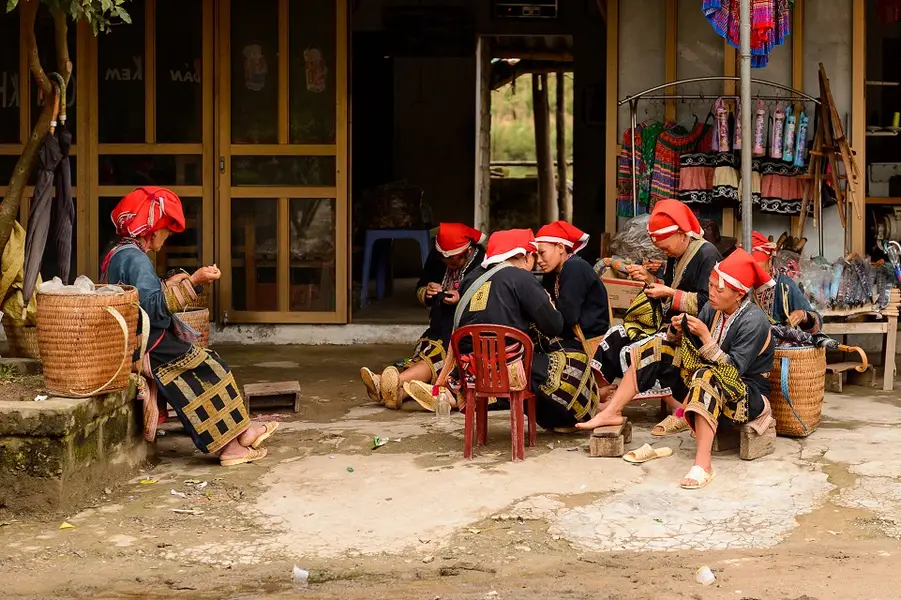
What makes Tả Phìn truly special is the harmonious coexistence of two distinct ethnic groups. Walking through the village, visitors encounter Red Dao women in their iconic red headscarves and embroidered indigo garments, alongside H’Mông families in their traditional layered attire. This cultural diversity is woven into every aspect of daily life, from the architecture of wooden houses to the rhythms of market days.
The heritage of herbal medicine
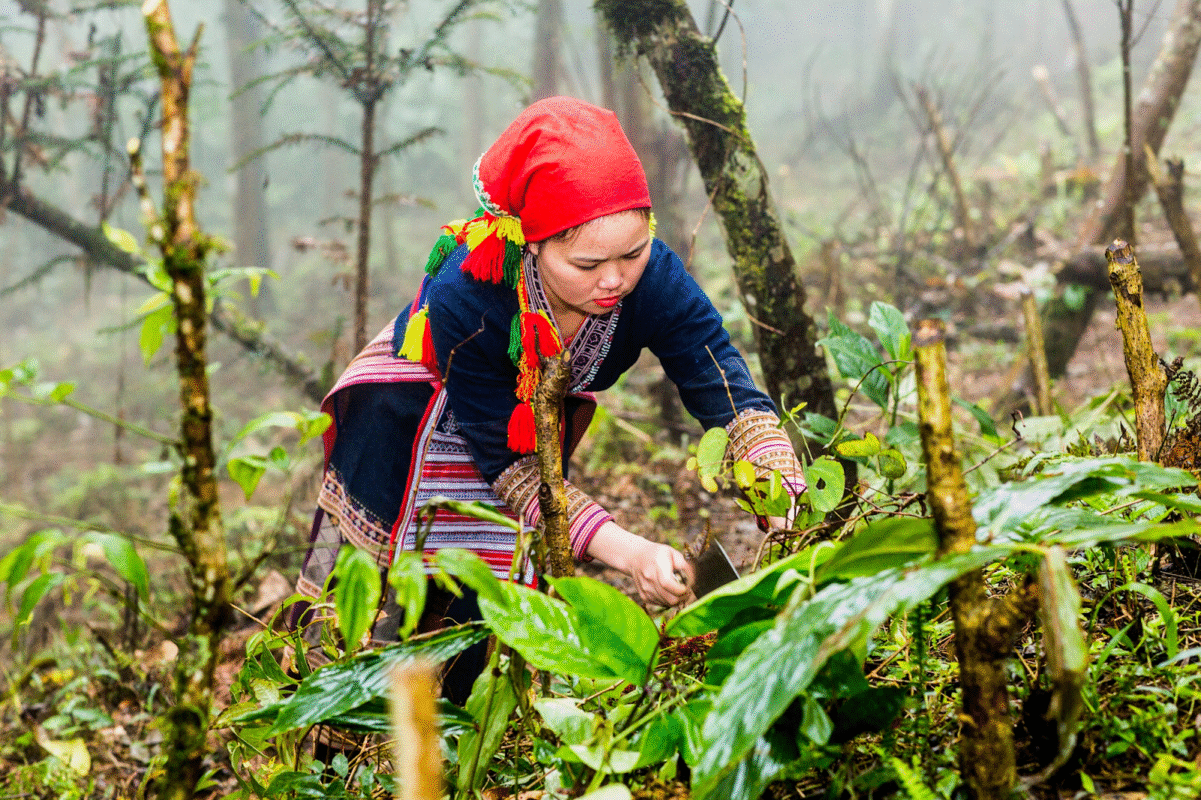
Tả Phìn is widely recognized as the heart of Red Dao herbal traditions. The village is home to families who have safeguarded centuries-old knowledge of forest medicine. Visitors can experience the legendary herbal bath, a ritual prepared with fresh medicinal roots and leaves gathered from the surrounding mountains. Many families have opened their homes to share this tradition, offering not just the bath itself but the stories and wisdom behind each ingredient.
Beyond the village: The Ancient Stone Church
Just a short walk from the village lies a remarkable landmark, the Tả Phìn Ancient Stone Church, a French-era structure built nearly a century ago. Half-hidden by moss and forest, this abandoned stone chapel has become an evocative spot for those seeking quiet reflection and a connection to the region’s layered history.

A different kind of stay
What draws travelers back to Tả Phìn time and again is the authenticity of the homestay experience. Here, guests sleep in traditional houses, share meals prepared with ingredients from family gardens, and wake to the sight of mist rising over terraced fields. It is tourism shaped not by grand infrastructure but by genuine hospitality, a place where visitors are welcomed not as customers, but as guests.
